
Professional Packaging Design: Your Product’s Silent Salesperson
The first moment a consumer meets your brand is not your sales representative or your advertising. It is the packaging they reach for on the shelf. Around 70% of purchase decisions are made in-store, in an average of three seconds — and in that window your packaging is doing all of the selling. That is why packaging design is not an aesthetic exercise but a cornerstone of commercial performance.
From our İzmir studio we deliver packaging design across every category, from food and cosmetics to pharmaceuticals and industrial products, turning brand identity into genuine shelf impact.
What Packaging Design Involves, and Why It Matters
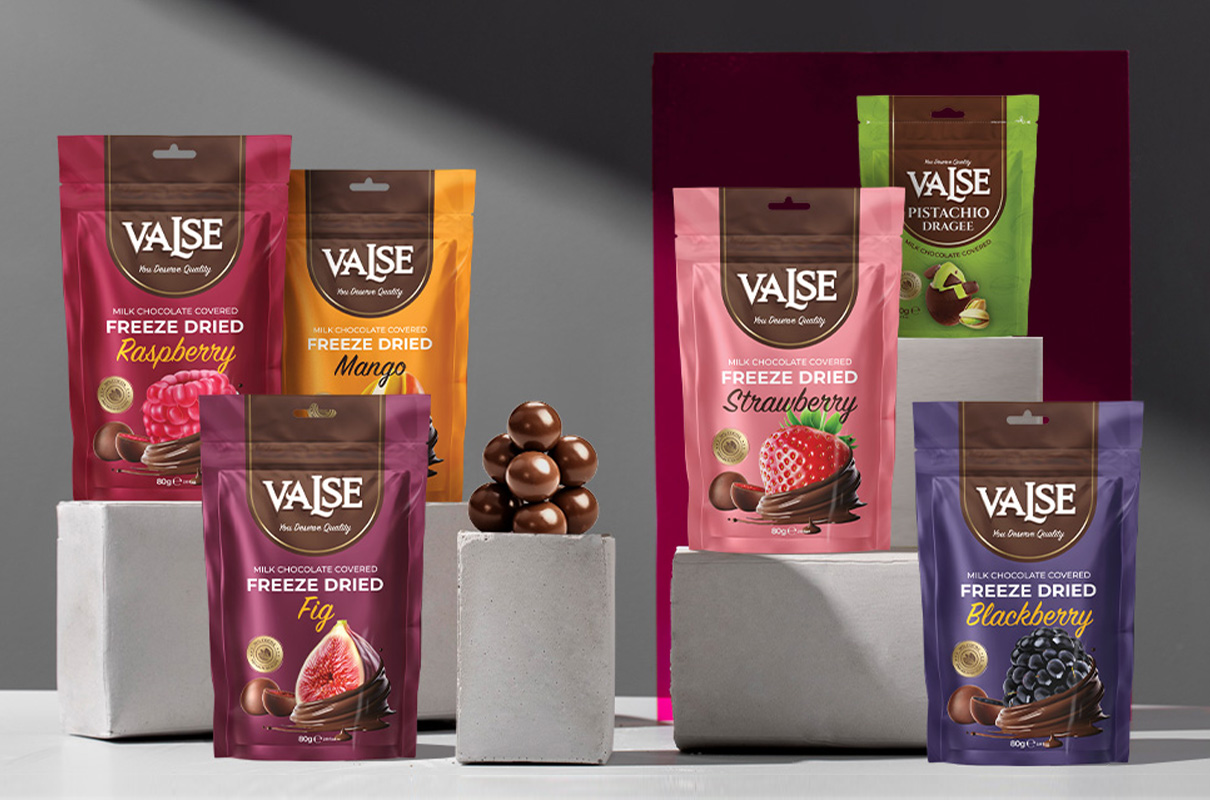
Packaging design is a multi-layered discipline in which structure, material, colour, typography and technical specification are developed as a single system. Unlike graphic design, it brings together structural engineering, materials science, print technology, regulatory compliance, ergonomics and consumer psychology.
Well-designed packaging performs three jobs at once: it protects the product from production through to the consumer, it communicates the brand story and value promise, and it sells — getting noticed, getting chosen and triggering repeat purchase. Ordinary packaging manages only the first. Professional packaging does all three simultaneously.
Why Amateur Packaging Costs More Than It Saves
Brands that treat packaging as a minor detail are usually slow to notice market share drifting to competitors in the same category. Consumers do not consciously buy the best product every time; they buy the product they feel they can trust, based on that first impression.
- Lost shelf presence: the product is overlooked and a competitor’s is picked up instead
- Erosion of brand value: a cheap or unreliable perception forces you to compete on price
- Regulatory risk: incomplete label information can lead to fines or withdrawal from sale
- Print errors: a poorly prepared dieline or colour profile causes expensive losses in production
- Lost repeat purchase: even satisfied customers struggle to find the product again
Our Packaging Design Process
1. Brief and market research
We begin with an in-depth discovery session covering your brand positioning, audience, competitors and the product’s technical requirements. We then study the shelf you are competing on — which colours, formats and materials are already winning attention in your category, and where the gap sits.
2. Category analysis and concept
Our team develops concepts in genuinely distinct creative directions rather than variations on a single idea, so the decision you make is a strategic one rather than a cosmetic preference.
3. Visual design and variations
The chosen direction is developed in full, including the variant system for product ranges — so adding a new flavour or size later is straightforward rather than a redesign.
4. 3D mockup visualisation
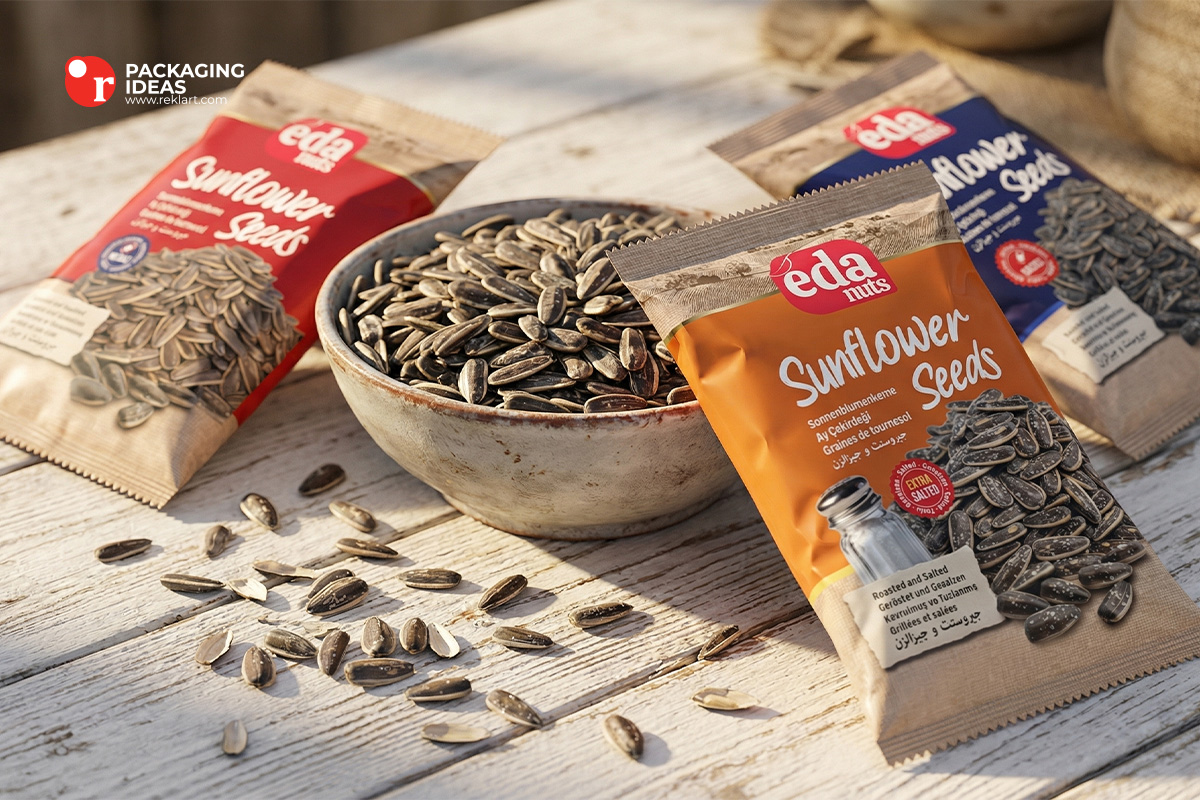
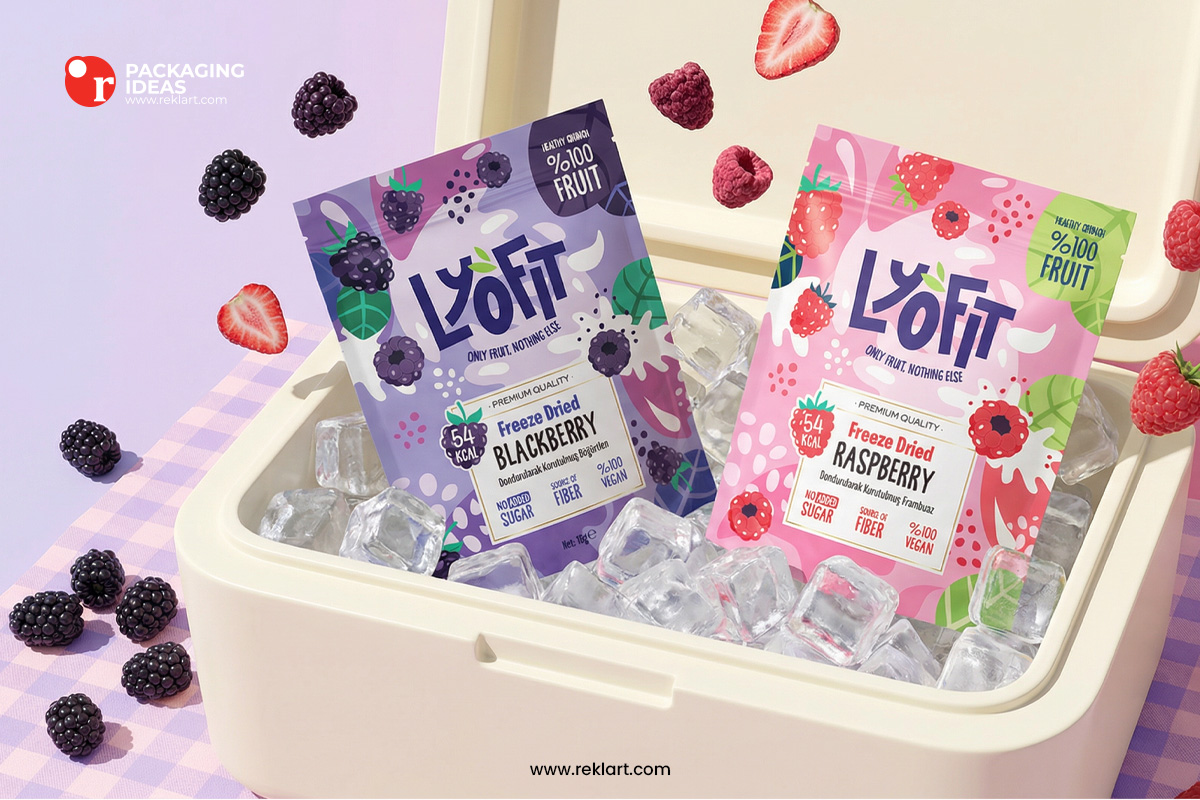
We render the approved concept photorealistically on the actual material — carton, pouch, bottle, tube or bespoke form — so you experience the pack in the hand before committing to production.
5. Dieline and print preparation
This is where most packaging projects go wrong and where experience pays. Cutting plan, fold lines, dimensions and tolerances, CMYK profile, bleed and print specification are all prepared to match your printer’s requirements exactly.
6. Proof check and mass production
We take a wet proof before any production run, checking colour, halftone detail, varnish and lamination on the real substrate. Nothing goes to press without your approval.
Material and Print Technique: Getting the Decision Right
Material and print technique matter as much as visual success. The wrong material makes packaging feel weak; the right one multiplies the perceived value of the design. We work regularly with kraft, coated, metallised and textured cartons; pouch, flow-pack and stand-up plastic formats; glass and PET with label or direct printing; metallised and soft-touch finishes; and speciality applications such as spot UV, embossing and foiling.
These choices are made together, based on your category, budget and positioning. No decision is taken on aesthetics alone — each is weighed across functionality, cost and shelf impact.
Sustainable Packaging
Consumers increasingly weigh environmental responsibility alongside product quality, and research consistently shows more than half prefer brands offering sustainable packaging. On every project we put environmentally sound alternatives on the table: recyclable materials, lighter grammage boards, soy-based inks and biodegradable finishes. Sustainability is not an added cost — it is an investment that earns long-term loyalty.
Frequently Asked Questions
How long does a packaging project take?
On average 10-15 working days for a single product, and 20-30 for a range. A precise schedule follows the brief.
Can I arrange the printing myself?
Of course. You receive print-ready dielines, colour profiles and open source files, and you are free to use any printer. If you prefer, we handle print coordination through our own production.
Can you refresh our existing packaging?
Yes. On refresh projects we keep the brand codes that are working and rebuild what is holding you back, protecting recognition while lifting shelf impact.
Do you work with international clients?
Regularly. We work in English throughout and are used to export requirements and multi-market labelling.
Let’s Turn Your Product Into the Hero of the Shelf
Professional packaging design does far more than improve how a product looks. It improves the efficiency of your marketing budget, moves you ahead in shelf competition and earns consumer loyalty. We treat every project not as a short-term design job but as a strategic step in your brand’s growth. Get in touch for a free discovery call.